High blood pressure, or hypertension, is often called the “silent killer” because it rarely causes noticeable symptoms while significantly increasing the risk of heart disease, stroke, and kidney failure. The good news? Dietary choices have a direct impact on blood pressure levels.
What you eat can either lower your blood pressure naturally or make hypertension worse. Certain foods help relax blood vessels, reduce inflammation, and improve heart health, while others cause fluid retention and increased vascular resistance. Understanding which foods to prioritize and which ones to limit can make a significant difference in blood pressure control.
How Diet Affects Blood Pressure
The relationship between diet and blood pressure is well established. Nutrients like potassium, magnesium, fiber, and antioxidants help regulate blood pressure, while excess sodium, saturated fats, and processed sugars can lead to hypertension.
✔ Sodium (Salt) Retains Water – Too much salt increases blood volume, making the heart work harder and raising blood pressure.
✔ Potassium Balances Sodium – This mineral helps kidneys flush out excess sodium, keeping blood pressure in check.
✔ Magnesium & Fiber Improve Circulation – They help relax blood vessels and reduce arterial stiffness.
✔ Healthy Fats Support Heart Health – Omega-3s reduce inflammation and improve blood vessel function.
By adjusting dietary habits, it’s possible to naturally lower blood pressure and reduce dependence on medications.
Best Foods to Eat for Managing Hypertension

Certain foods have been proven to help lower blood pressure naturally. Incorporating these into your daily diet can support
better heart health.
Leafy Greens (Spinach, Kale, Swiss Chard)
✔ Why? High in potassium, magnesium, and nitrates, which help relax blood vessels and lower blood pressure.
✔ How to Eat? Add to salads, smoothies, or steam them as a side dish.
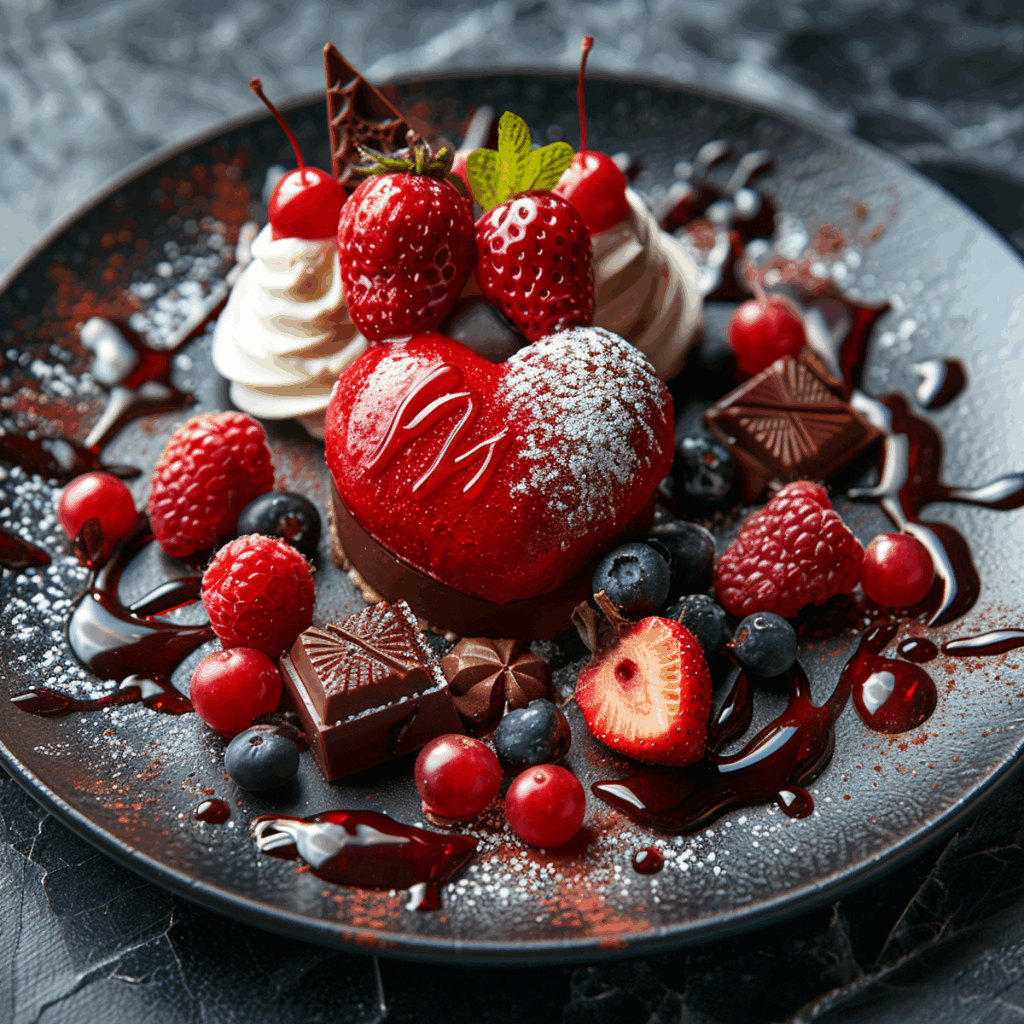
Berries (Blueberries, Strawberries, Raspberries)
✔ Why? Rich in antioxidants (flavonoids) and vitamin C, which improve blood vessel function.
✔ How to Eat? Snack on them fresh, blend into smoothies, or add to yogurt.

Bananas
✔ Why? One of the best natural sources of potassium, which helps balance sodium levels.
✔ How to Eat? Eat as a snack, add to oatmeal, or blend into smoothies.
Fatty Fish (Salmon, Mackerel, Sardines)
✔ Why? Packed with omega-3 fatty acids, which reduce inflammation and relax blood vessels.
✔ How to Eat? Grill, bake, or add to salads for a heart-healthy meal.
Beets
✔ Why? Contain nitrates, which help widen blood vessels and improve circulation.
✔ How to Eat? Drink beet juice, roast them as a side, or add to salads.
Oats & Whole Grains
✔ Why? High in fiber and magnesium, which help stabilize blood sugar and reduce blood pressure.
✔ How to Eat? Start the day with oatmeal or choose whole-grain bread and brown rice.
Garlic
✔ Why? Contains allicin, which naturally helps lower blood pressure and improves blood flow.
✔ How to Eat? Add raw or roasted garlic to meals for extra heart health benefits.
Nuts & Seeds (Almonds, Walnuts, Flaxseeds, Chia Seeds)
✔ Why? Provide healthy fats, magnesium, and fiber, which support heart health.
✔ How to Eat? Snack on nuts or add seeds to smoothies and yogurt.
Dark Chocolate (80% Cocoa or Higher)
✔ Why? Contains flavonoids, which help relax arteries and improve blood flow.
✔ How to Eat? Enjoy in moderation—choose dark chocolate with minimal added sugar.
Legumes (Lentils, Chickpeas, Black Beans)
✔ Why? High in fiber, potassium, and protein, which help regulate blood pressure.
✔ How to Eat? Add to soups, salads, or stews for a plant-based protein boost.
Foods to Avoid for Better Blood Pressure Control
Some foods contribute to high blood pressure by causing fluid retention, arterial stiffness, and inflammation. Reducing or eliminating these from your diet can lead to significant improvements.
1. Processed & Fast Foods
❌ Why? Extremely high in sodium and unhealthy fats, which elevate blood pressure.
✔ Better Choice: Cook fresh meals at home using herbs and spices instead of salt.
2. Canned Soups & Vegetables
❌ Why? Often contain excessive sodium to increase shelf life.
✔ Better Choice: Choose low-sodium versions or make homemade soups.
3. Sugary Beverages (Soda, Energy Drinks, Sweetened Coffee/Tea)
❌ Why? Excess sugar contributes to insulin resistance and inflammation, increasing blood pressure.
✔ Better Choice: Drink water, herbal teas, or fresh fruit-infused water.
4. Red Meat & Processed Meats (Bacon, Sausages, Deli Meats)
❌ Why? High in saturated fat, sodium, and preservatives, which raise blood pressure and cholesterol.
✔ Better Choice: Opt for lean meats, poultry, fish, or plant-based proteins.
5. Alcohol
❌ Why? Excessive alcohol consumption raises blood pressure and damages blood vessels.
✔ Better Choice: Limit intake to 1 drink per day (women) or 2 drinks per day (men).
6. Packaged Snacks (Chips, Pretzels, Crackers)
❌ Why? High in sodium and unhealthy fats, leading to increased blood pressure.
✔ Better Choice: Snack on unsalted nuts, seeds, or air-popped popcorn.
7. Fried Foods
❌ Why? Loaded with trans fats and sodium, which contribute to high blood pressure and heart disease.
✔ Better Choice: Bake, grill, or steam food instead of frying.
Final Thoughts
Managing hypertension isn’t just about cutting back on salt—it’s about creating a heart-healthy lifestyle with nutrient-rich foods that support blood vessel function and circulation. A balanced diet filled with leafy greens, whole grains, lean proteins, and healthy fats can significantly lower blood pressure and reduce the risk of serious complications.
📢 Start making healthier choices today! Swap out processed foods for natural, whole ingredients and see the difference in your blood pressure readings.
Stay Ahead of Health Issues!
Early detection can make all the difference. Schedule your check-up today and stay ahead of any potential health issues.